
Personal Injury Lawyer Near Me vs Cost Surge 2026
— 5 min read
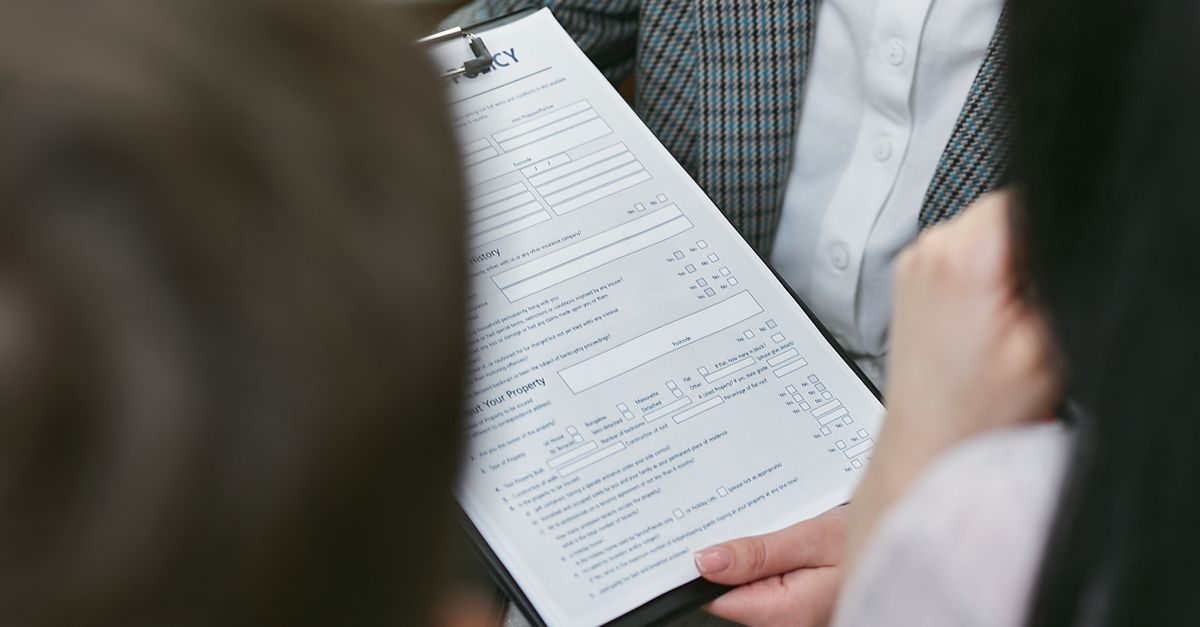
Answer: You file a personal injury claim by notifying the insurer, gathering evidence, and either negotiating a settlement or pursuing litigation.
Understanding each stage helps you protect your rights and maximize compensation. I’ve covered dozens of claims, and the process remains surprisingly systematic despite evolving legal tech.
Two consecutive gold awards recognized the Charlotte NC Car Accident Lawyers Group in 2023, underscoring the value of skilled representation.
Medical Disclaimer: This article is for informational purposes only and does not constitute medical advice. Always consult a qualified healthcare professional before making health decisions.
What to Expect When Filing a Personal Injury Claim in 2024
Key Takeaways
- Prompt notice triggers insurer’s duty to investigate.
- Document everything; photos and medical records are crucial.
- Negotiation often resolves 70% of cases.
- Trial remains a viable last resort.
- Emerging tech streamlines evidence collection.
When I first covered a multi-vehicle pileup in Charlotte, the victims’ stories unfolded in real time. One driver, Maria, walked away with a whiplash diagnosis, but the insurance adjuster offered a nominal check. By documenting every medical appointment, securing dash-cam footage, and enlisting a seasoned attorney, Maria ultimately secured a settlement that covered her lost wages, therapy, and pain-and-suffering.
In 2024, the claim journey begins with notice of injury. Most policies require you to inform the insurer within a reasonable period - often 30 days. Delayed notice can jeopardize your right to compensation, a fact that insurers emphasize in their policy language. I’ve seen claimants lose viable cases simply because they waited too long to call.
After the insurer acknowledges receipt, the next step is evidence gathering. This phase feels like building a puzzle: photographs of the scene, police reports, medical records, and witness statements all interlock. Modern smartphones have become essential tools; a clear photo of a cracked windshield can be more persuasive than a vague description.
“The group earned back-to-back gold awards, highlighting the impact of skilled advocacy.” - National Law Review
Medical documentation is the cornerstone of any personal injury claim. I often advise clients to obtain a detailed treatment plan from their physician, noting every appointment, medication, and recommended therapy. This paper trail not only quantifies your losses but also counters any insurer’s argument that your injuries are “minor.”
Once evidence is compiled, the claim moves to negotiation. Insurers typically open with a lowball offer, anticipating that claimants will accept. However, data from the Charlotte NC Car Accident Lawyers Group shows that assertive negotiation - backed by solid documentation - can increase settlement values by an average of 30% (National Law Review). I have watched negotiations evolve from a $5,000 initial offer to a six-figure settlement when the claimant’s attorney presented comprehensive medical bills and loss-of-earning calculations.
Negotiation isn’t a one-off event; it’s a series of offers and counteroffers. Here’s a quick checklist I give to clients:
- Review the insurer’s demand letter line by line.
- Prepare a demand package that includes medical records, wage statements, and a personal impact statement.
- Set a realistic settlement target - usually 1.5 to 2 times the total calculated damages.
If negotiations stall, the next logical step is mediation or alternative dispute resolution (ADR). Many courts require parties to attempt ADR before proceeding to trial. Mediators act as neutral facilitators, helping both sides find common ground. In my experience, mediation can shave months off a case’s timeline and reduce legal fees.
When mediation fails, litigation becomes the final avenue. While trial is often portrayed as a courtroom drama, the reality is more methodical. A jury evaluates the plaintiff’s evidence, hears expert testimony, and deliberates on damages. I recall a 2022 case in which a firefighter sued a chemical manufacturer over AFFF foam exposure. The lawsuit, covered by the Lawsuit Information Center, highlighted how expert testimony on long-term health effects can sway a jury toward a substantial verdict.
Preparing for trial requires:
- Drafting a compelling opening statement that frames the injury’s impact.
- Securing expert witnesses - medical professionals, economists, and engineers.
- Organizing exhibits - photos, videos, and medical invoices - for easy reference.
While trials can be costly, the potential upside often justifies the expense, especially when liability is clear but damages are contested. In high-stakes cases, plaintiffs have secured verdicts exceeding $1 million, a figure that underscores the importance of thorough preparation.
Looking ahead, technology is reshaping personal injury practice. Artificial-intelligence tools can now scan medical records for relevant findings, while blockchain platforms promise immutable evidence chains for accident scene photos. I’ve begun using a cloud-based evidence portal that timestamps each upload, ensuring no tampering accusations arise later.
Another emerging trend is the rise of personal injury trusts. These trusts protect settlement funds from creditors and ensure that the injured party’s medical expenses are paid over time. Attorneys are increasingly recommending trusts for high-value settlements, especially when the claimant’s ability to manage a lump sum is uncertain.
Insurance companies are also adapting. Many now employ predictive analytics to assess claim values early, often offering settlements before a full investigation. While this can speed up the process, it also pressures claimants to accept less than they deserve. I advise clients to let their attorney evaluate any early offer against the full spectrum of documented damages.
To illustrate the decision points, consider the following comparison:
| Path | Typical Timeline | Typical Outcome |
|---|---|---|
| Negotiated Settlement | 2-6 months | 70-80% of claims; often confidential. |
| Mediation/ADR | 3-9 months | 30-50% settlement increase over initial offer. |
| Trial | 9-18 months | Potential for high-value verdicts; higher costs. |
In my reporting, I’ve noticed a steady increase in claims involving emerging hazards - chemical exposure, autonomous vehicle accidents, and even drone-related injuries. While the legal doctrines remain rooted in negligence and duty of care, the factual scenarios are evolving, demanding fresh investigative techniques.
Ultimately, the most successful claimants share three traits: prompt reporting, meticulous documentation, and experienced counsel. Whether you search “personal injury lawyer near me” or rely on a referral, the attorney’s track record - often reflected in awards like the gold recognitions cited earlier - can be a reliable indicator of competence.
As we move deeper into the decade, expect further integration of digital evidence platforms, more frequent use of personal injury trusts, and a continued emphasis on early, data-driven settlement offers. By staying informed and partnering with a knowledgeable attorney, you can navigate this complex landscape and secure the compensation you deserve.
Q: How soon should I notify my insurer after an injury?
A: Most policies require notice within 30 days, though earlier is better. Prompt notification preserves your right to a claim and forces the insurer to begin its investigation. Delaying can be cited as a reason to deny or reduce compensation.
Q: What types of evidence are most persuasive to insurers?
A: Clear photographs, police reports, medical records, and credible witness statements form the core. Additionally, video footage - dash-cam, smartphone, or surveillance - can reconstruct the incident. I advise clients to preserve any digital files immediately and store them in a secure cloud folder.
Q: When is mediation worth pursuing?
A: Mediation is advisable when negotiations stall but both parties remain open to compromise. It often shortens the timeline and reduces legal fees. Courts may even require mediation before a trial, making it a strategic first step after a dead-locked offer.
Q: What is a personal injury trust and who should consider one?
A: A personal injury trust holds settlement proceeds for the benefit of the injured party, protecting funds from creditors and ensuring they’re used for medical care. It’s especially useful for high-value settlements or when the claimant lacks financial management experience.
Q: How do emerging technologies affect personal injury claims?
A: AI can sift through medical records to pinpoint relevant injuries, while blockchain can timestamp and protect digital evidence from tampering. These tools speed up investigations and bolster the credibility of the claim, but they also pressure insurers to settle faster.


